
Over the past several months, my work through Civic Muse has been particularly full and wide-ranging—spanning museum and cultural projects, strategic planning and governance work, collecting initiatives, and major publishing commitments. Alongside this, I continue to teach at both the University of Manitoba and the University of Winnipeg, while also writing a regular column for the Winnipeg Free Press. As a result, the Civic Muse blog has been quieter than usual. This post marks a return to the writing space, and an opportunity to share one of the projects that has been occupying much of my time and attention.
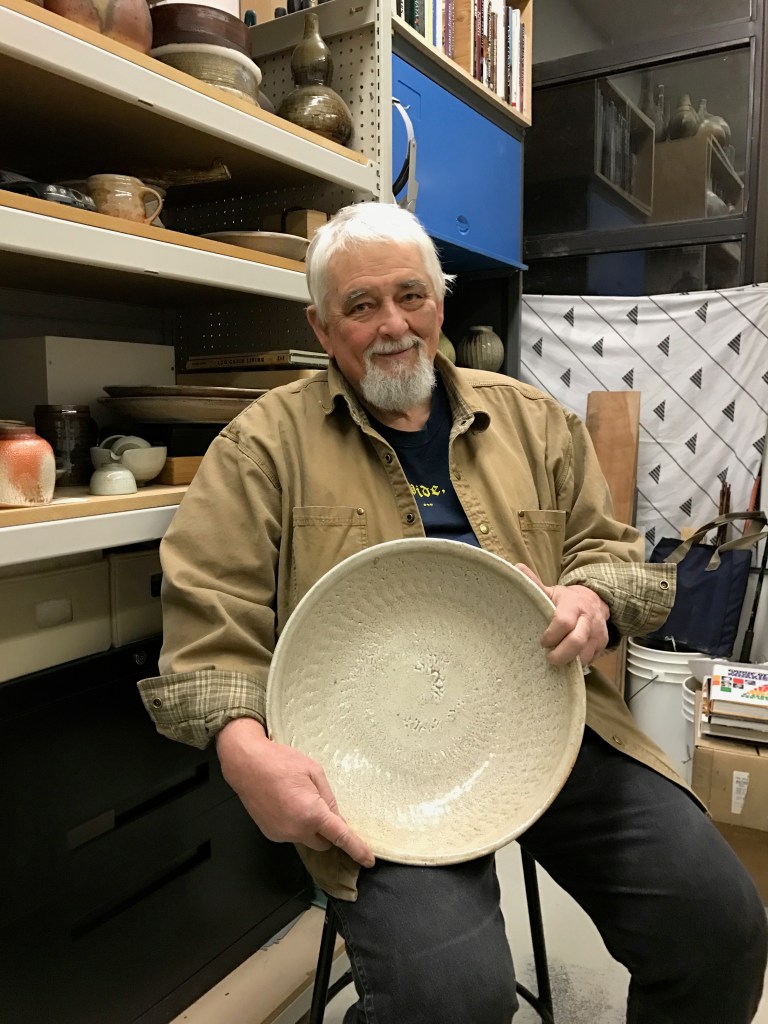
One of the most exciting projects I am currently leading is a major book production on the life and work of Canadian ceramic artist Robert Archambeau (1933–2022).
And since it’s almost Christmas, I often think of Robert at this time of the year. I would visit him throughout the year, but my favourite visits were always at Christmas. I would spend time with him in his studio and at home, visiting, looking at his new work, and finding some pieces for my own collection and for friends and family. One Christmas, years ago, Robert mentioned—almost in passing—that he hadn’t been able to get a Christmas tree that year. Instead, he told me, he spotted a tumbleweed rolling down the back lane behind his house. He ran out, grabbed it, brought it inside, and spray-painted it silver. That tumbleweed became the Christmas tree that year—and, he said with a smile, the kids absolutely loved it.
Archambeau occupies a central place in the history of Canadian studio ceramics. Over more than five decades, his work helped define a rigorous, materially grounded approach to the vessel—one shaped by deep study, sustained experimentation, and an unwavering commitment to craft. He was also an extraordinary teacher, influencing generations of artists through his long career at the University of Manitoba.
My professional relationship with Robert began years ago during my tenure as Director & CEO of the Winnipeg Art Gallery, where I oversaw the acquisition of several important works for the permanent collection and curated Robert Archambeau: A Conversation in Clay. Over time, that professional engagement developed into a more personal relationship—one grounded in conversation, mutual respect, and a shared interest in the long arc of an artist’s working life.
Before his death in 2022, I committed to producing a comprehensive book that would do justice to the depth, discipline, and seriousness of his practice. That commitment continues to guide every aspect of this project.
Scheduled for publication in summer 2026, the book will bring together more than 150 ceramic works from public and private collections across North America. It will feature newly commissioned photography, drawings, archival material, and essays by leading scholars, curators, and artists who studied Robert’s work closely or were shaped by his teaching. The goal is not simply to celebrate individual objects, but to trace the development of a practice built through discipline, inquiry, and sustained attention to material and form.
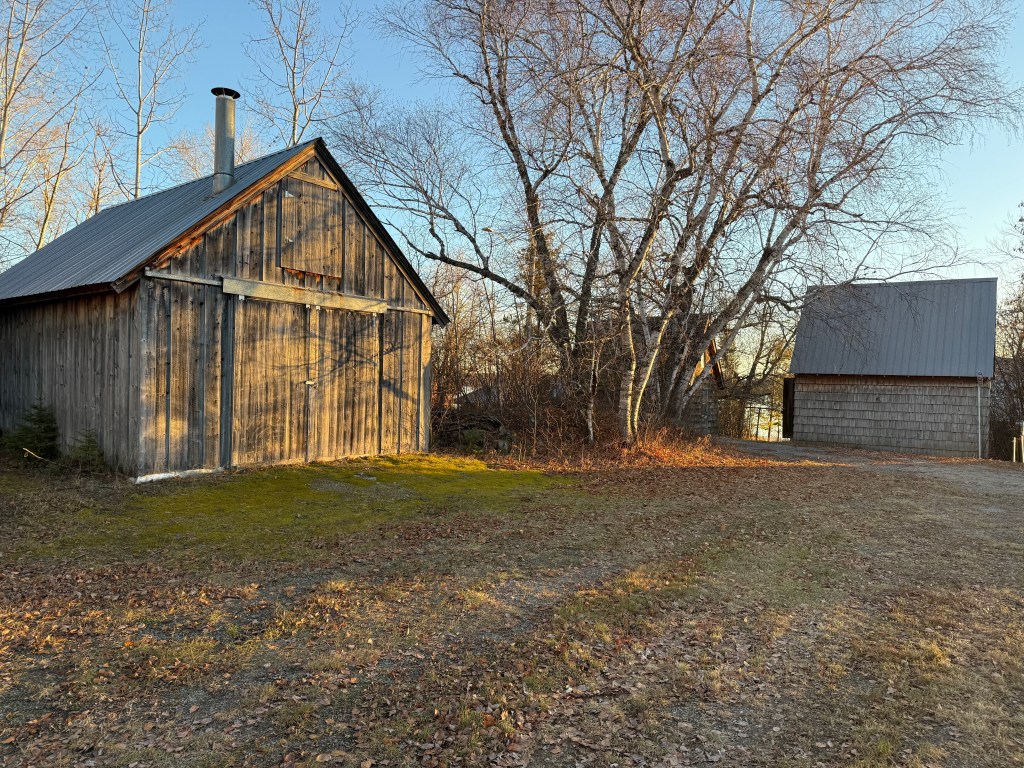
A significant portion of the research has taken place in Winnipeg and in Bissett, Manitoba, where Robert maintained a cottage and studio. Time spent in Bissett—examining works from different periods, studying notebooks and drawings, and situating individual objects within the rhythms of his daily practice—has been essential to understanding how his work evolved over time.
Last week, the Winnipeg Free Press has published my reflection on Robert Archambeau’s legacy and the book project. It tells the story behind this project, the studio visits, and the sense of responsibility that grows when an artist you admire places their trust in you. Enjoy the read: https://www.winnipegfreepress.com/opinion/analysis/2025/12/11/robert-archambeau-and-the-value-of-artistic-legacy
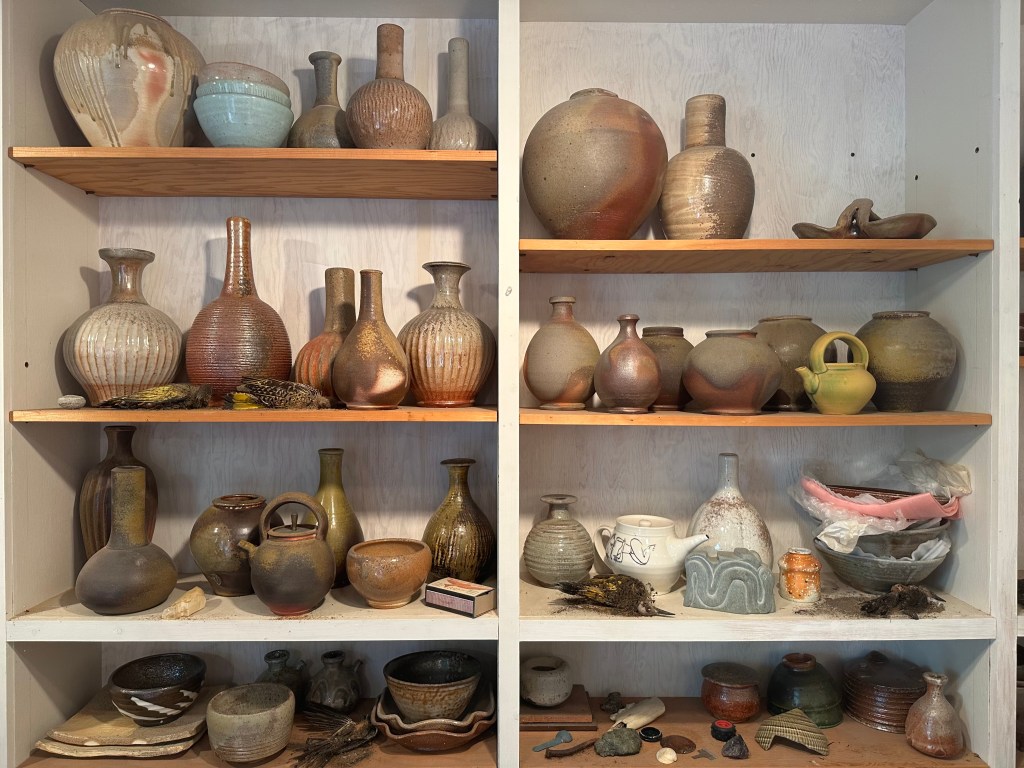
Producing a publication of this scale requires substantial resources. In support of the book, the Archambeau estate has made available an exclusive studio sale of ceramics works, facilitated through Civic Muse. The sale includes vase, bowls, jars, teapots, and plates drawn directly from Robert’s studio, many of which have never been exhibited or published.
All proceeds from the sale directly support the production of the book. The studio sale is not simply a fundraising effort; it is another way of extending Robert’s work into the world. These are objects made to be handled, lived with, studied, and cared for. Placing them with collectors and institutions allows the work to continue circulating—prompting new conversations and new forms of engagement.
You can learn more about the studio sale and view available works here:
https://civicmuse.ca/ceramic-pieces/
All works are owned by the estate of the late Robert Archambeau. Civic Muse Inc. is facilitating private sales on behalf of the estate; payments are made directly to the estate.
The work of preserving an artist’s legacy does not happen automatically. It requires time, scholarship, care, and collective support. This book project—and the many individuals contributing to it as writers, advisors, collectors, and supporters—is part of that shared responsibility.
For me, it is also the fulfilment of a personal commitment: to bring together the research, voices, and material necessary to present a full and lasting account of an artist whose work and teaching helped shape Canadian ceramics. — Stephen D. Borys