
A couple of years before construction began on the Canadian Museum for Human Rights in Winnipeg, something quietly profound happened. The institution’s corporate name was changed — from the Canadian Museum of Human Rights to the Canadian Museum for Human Rights. One word, and suddenly the mission was activated. No longer simply about studying or preserving human rights, it became about championing them. That small shift carried the weight of advocacy.
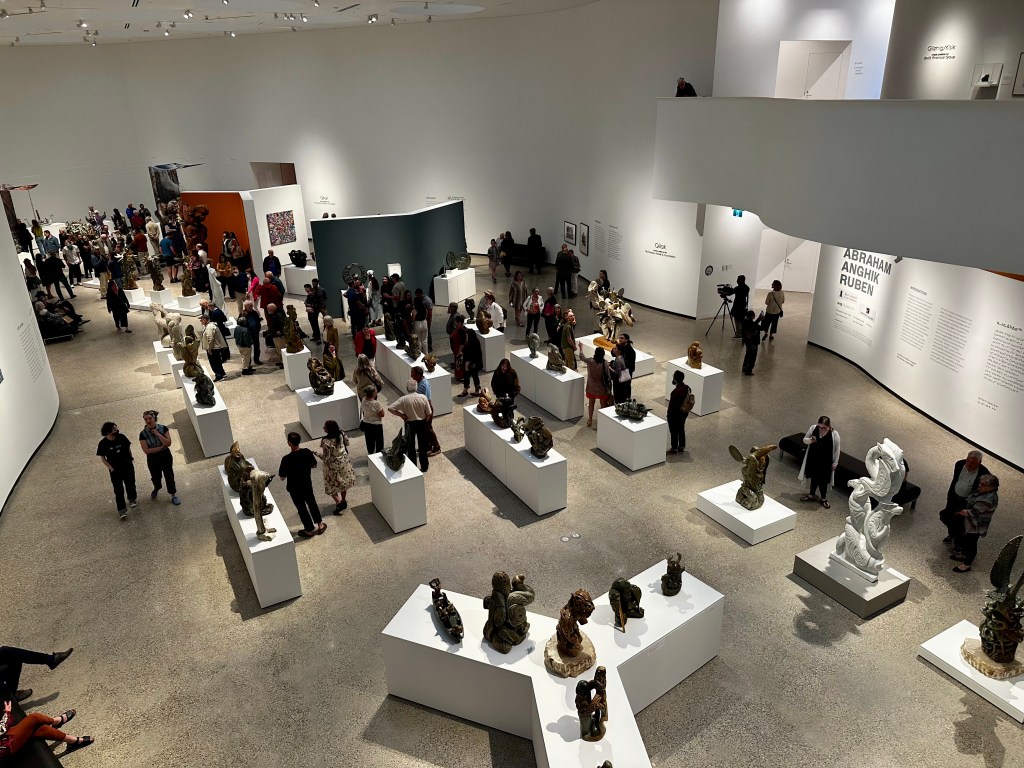
It’s not unlike the story of Qaumajuq, Canada’s new Inuit art centre. More than a building to house the world’s largest public collection of contemporary Inuit art, it became a platform for new voices, new stories, and a fundamentally new relationship with community. In many ways, it is a story of what the new museum looks like — and feels like.
Rethinking the museum
Years ago, while developing the architectural program for the Inuit art centre, I got a call from the editor in chief of Canadian Art magazine. He had three questions for me:
What should our museums look like in the future?
How will we get there?
And what’s standing in the way?
My answer then remains true today.
What does the new museum look like? It’s a creative, evolving conversation — not just a structure, but a living dialogue.
How do we get there? Through open, respectful exchanges led by values and stories that honor the full community of stakeholders.
What stands in our way? Only the templates and traditions we’ve relied on for decades. If we want to make space for new voices and new ideas — if we want museums to be meaningful, present, and around a hundred years from now — then those templates must change.
A broader infrastructure
I’m constantly thinking about — and rethinking — the idea of the museum: not just what it looks like, but how it feels, communicates, and functions. Through stakeholder conversations, architectural design, and even the capital campaigns that support these efforts, I’ve been challenged to reconsider the very template of the museum in the 21st century. And this is not some distant future; it’s the work we’re called to do right now.
Yes, the new museum is still a building. But its true infrastructure is much greater than any edifice. Moving beyond — but never abandoning — the age-old tasks of collecting, preserving, and exhibiting, today’s museum is fundamentally about dialogue, exploration, and reconciliation. It’s about learning, yes, but also about enjoyment, enrichment, and the pursuit of health and wellbeing through art and culture. In the end, the museum reflects, responds to, and is the community.
It is a collection of objects, ideas, and people, carrying stories that look back and ahead. It is a place where acts of invitation, welcome, and engagement thrive — making the museum relevant, impactful, and sustainable.
Art as advocacy
Our value proposition may begin with the art and the artmakers, but it’s expanded far beyond that. Today, it reflects multiple voices and agendas across sectors that now define and celebrate contemporary cultural thought.
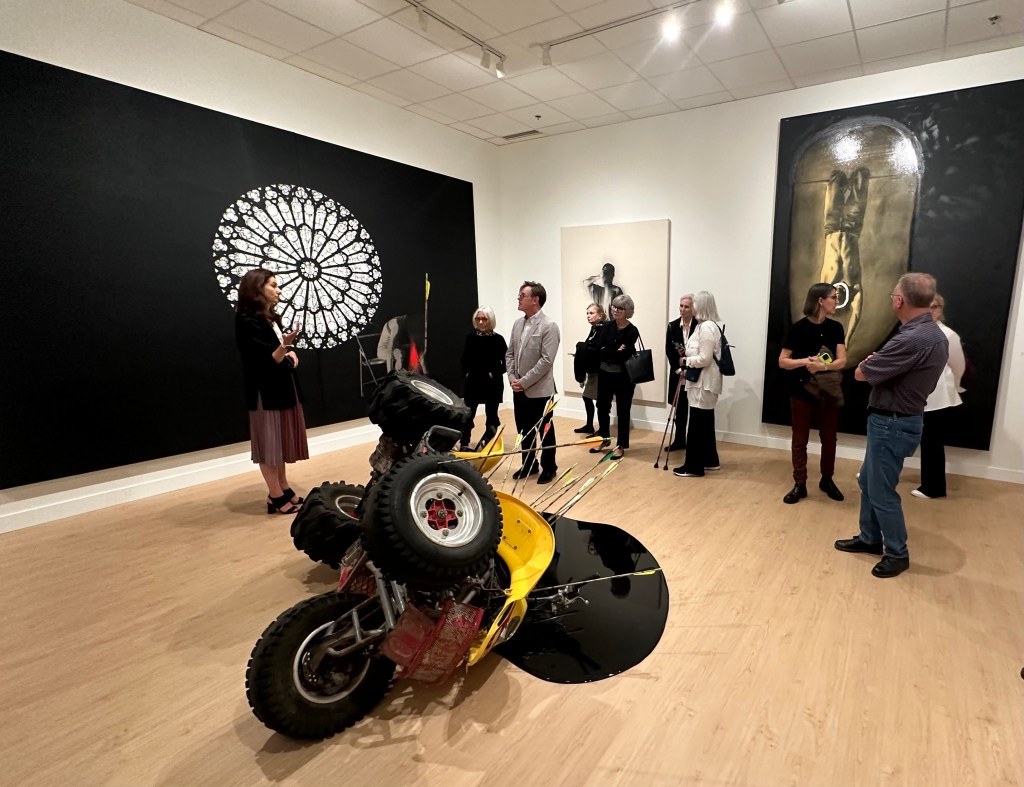
Because art isn’t just something to be advocated for. It is advocacy itself. Art is a living, dynamic force in the world, capable of imparting, responding to, and shaping ideas and perspectives. In this vibrant global exchange we call cultural democracy, the museum becomes the forum.
And that, to me, is the profound promise of this work: not simply to keep art safe, but to let it speak — loudly, insistently, and for all of us.