

There’s never been a more urgent moment to rethink what leadership in arts and culture truly demands. Not just the kind of leadership that keeps doors open, but the kind that shifts the moral compass of our institutions and our communities.
When I look back on the museum and gallery experiences that have shaped me, it’s clear they did more than advance my career — they fundamentally changed how I see the role of cultural organizations in civic life, and how I see myself in this environment.
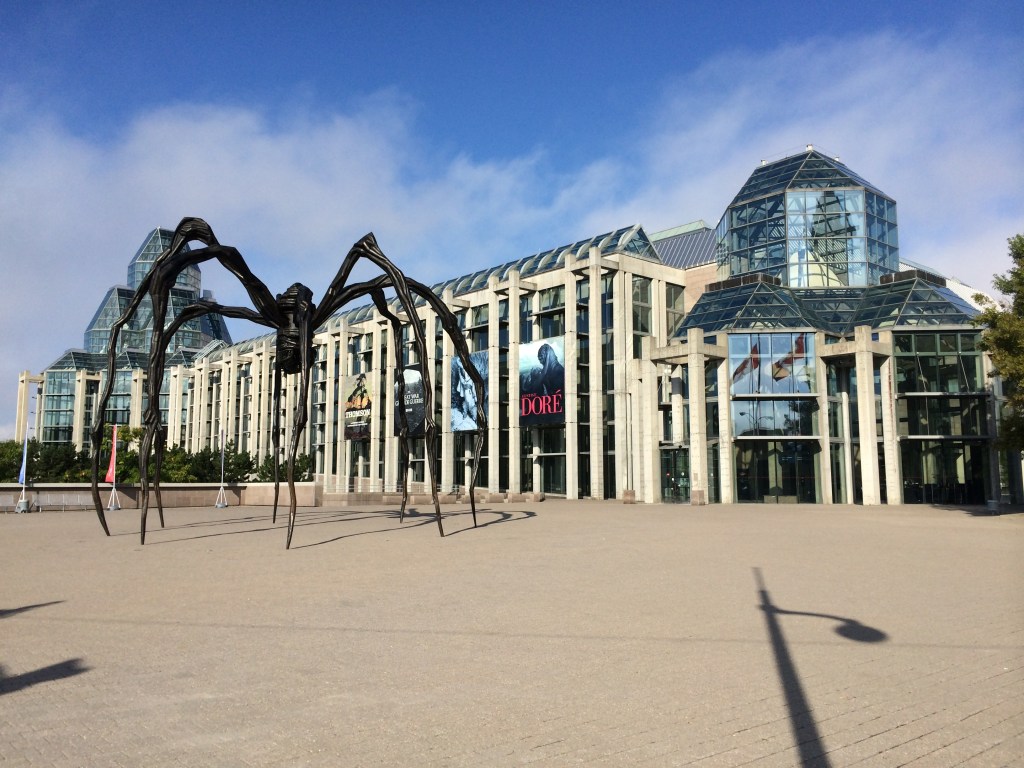
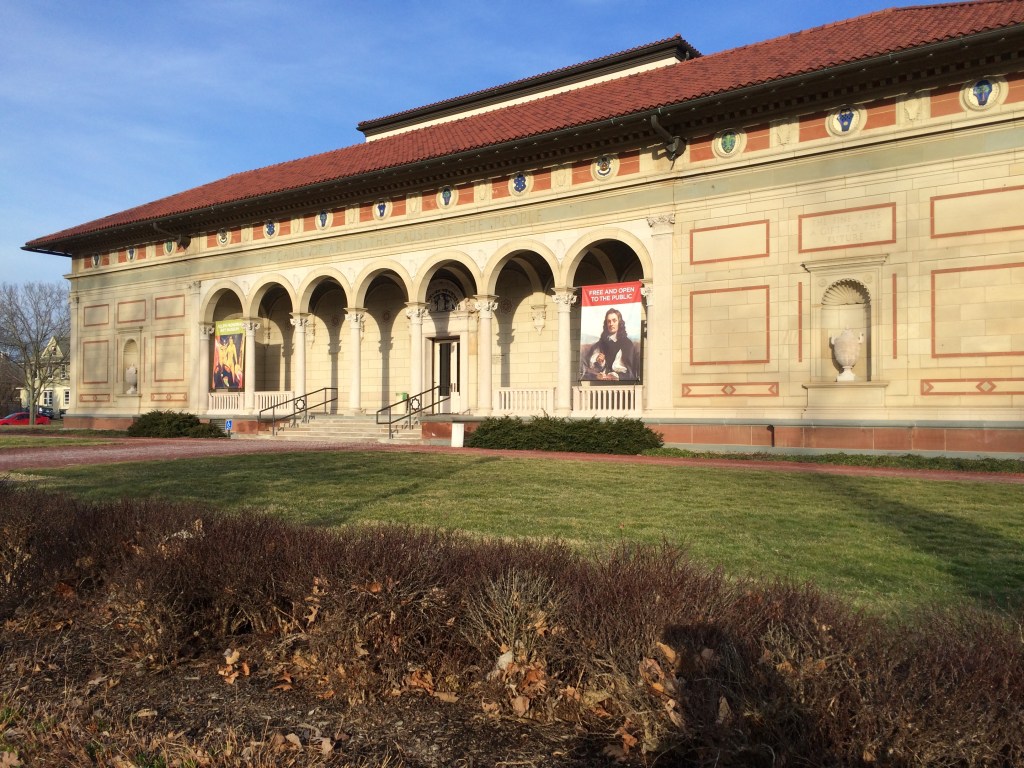
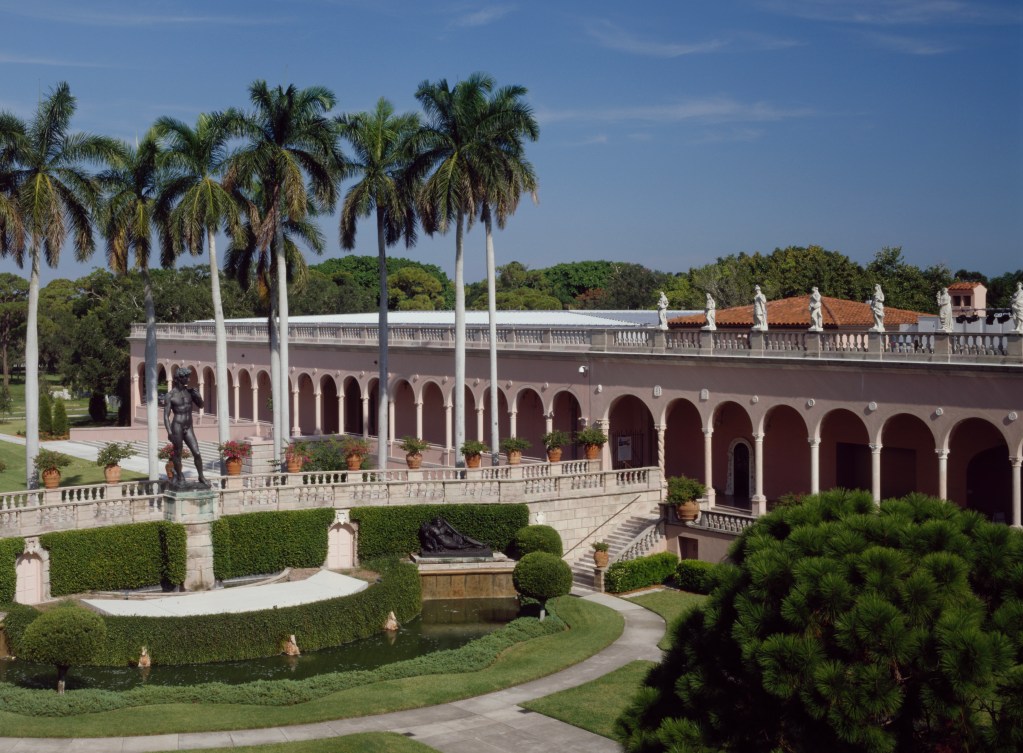
At the National Gallery of Canada, my path from academic to curator was a masterclass in balancing scholarship with public responsibility. It taught me that research and collection-building are only as meaningful as the people they engage and the conversations they ignite. At the Allen Art Museum at Oberlin College, I witnessed firsthand the extraordinary power of art to transform how students learn and live — not just art majors, but scientists, historians, activists. The Ringling Museum of Art in Sarasota reminded me that art is also about sheer wonder and joy, that accessibility and delight are not luxuries but essentials as we look for those a-ha moments in life.
Returning to Winnipeg, I found myself constantly weighing leadership by values versus leadership by reputation — and coming to understand and embrace the values of the community around me. And then came Qaumajuq — a project that changed my life, career, and sense of what a museum could be. Building Canada’s first global centre for Inuit art was about far more than galleries and granite. It was about embedding Indigenous leadership and perspectives at the very heart of an institution, and learning to stand alongside rather than out front.
Throughout my museum career, I’ve also had the privilege of teaching undergraduate and graduate students at Oberlin College, Florida State University, University of Winnipeg, and University of Manitoba. And what better place to work on my leadership training and development than in the seminar room.
Turning Challenges into Opportunities
Of course, there’s nothing neat or easy about any of this. Some of the biggest steps forward came out of facing what our sector too often skirts around: the longstanding legacies of elitism, colonialism, and racism baked into museums.
As a director, a citizen, and frankly as a human being, I had to be willing to change. That meant acknowledging these truths openly, grappling with discomfort, and letting them guide decisions — not as a side initiative, but as core strategy. We embraced the Truth and Reconciliation Commission’s Calls to Action, believing not just in the idea of reconciliation, but in “reconciliation in action”. We worked to implement Indigenization, to be willing to decolonize, to rethink how power and authority were shared across staff, boards, and Indigenous advisory circles.
It meant reworking the organizational chart to better reflect lived values, and being open to rethinking the entire museum: what we do, who we serve, why we’re here. We started asking different questions — how do we measure belonging and trust, not just ticket sales and visitor counts? What happens when we invite millennials to shape drop-shoulder experiences that reduce stress and build joy (as studies show, over 70% of millennial museum-goers cite stress relief as a primary motivation)?
The Most Valuable Lessons
There have been guiding lights along the way. My time at the Getty Museum Leadership Institute shaped my belief that to be a complete leader, you have to be honest, forward-looking, competent, and inspiring — all at once. Not an easy mix, but an essential one.
Traveling to the Canadian Arctic, far outside my comfort zone, challenged me to see community, tradition, and cultural expression in ways no conference, symposium or classroom ever could. Coming back to Winnipeg reinforced my conviction in the resources and power that exist within a community, if we’re only willing to listen and mobilize. Watching our son grow up has kept me grounded in the hope and beauty of youth today, and why we are working to create better places.
And perhaps most profoundly, I’ve come to see museums not just as places for objects, but for experiences. For service. What if we borrowed the United Way model and asked, are we making a difference? And rather than deciding within the organization if we’re making a difference, let’s ask the community around us. How do we measure up as a service industry, and have we ever thought of ourselves in that light? The public already places enormous trust in museums — according to various studies, close to 80% of the public trust what they see and read in museums, more than almost any other institution or media outlet. What are we doing with that trust, and how do we guard that trust?
The Path Forward
This is why I launched Civic Muse: to help other museums, galleries, cultural organizations, and other businesses navigate these same questions. To rethink what leadership looks like today, to design institutions that are indispensable to their communities, and to place purpose and accountability above all else.
Because in the end, leadership isn’t just about protecting an institution’s legacy — it’s about making sure it matters, now and for the future.
Wonderful . Who wouldn’t want to be part of this journey ?