
In leadership, we often talk about taking charge, holding vision, or setting direction. These are the hallmarks of the Western model of leadership: top-down, forward-facing, output-driven. But during my time working with Indigenous communities – especially in the North – I encountered a very different way. One that challenged my assumptions and reshaped my understanding of what it means to lead. The way is the circle.
The circle is one of the most enduring and universal symbols in Indigenous ways of knowing. It represents equality, inclusion, listening, and relationship. In a circle, there is no head. No one is above or below. Every voice matters, and all are seen. And yet, this model is anything but passive. It is rigorous in its expectations for participation, presence, and mutual accountability.
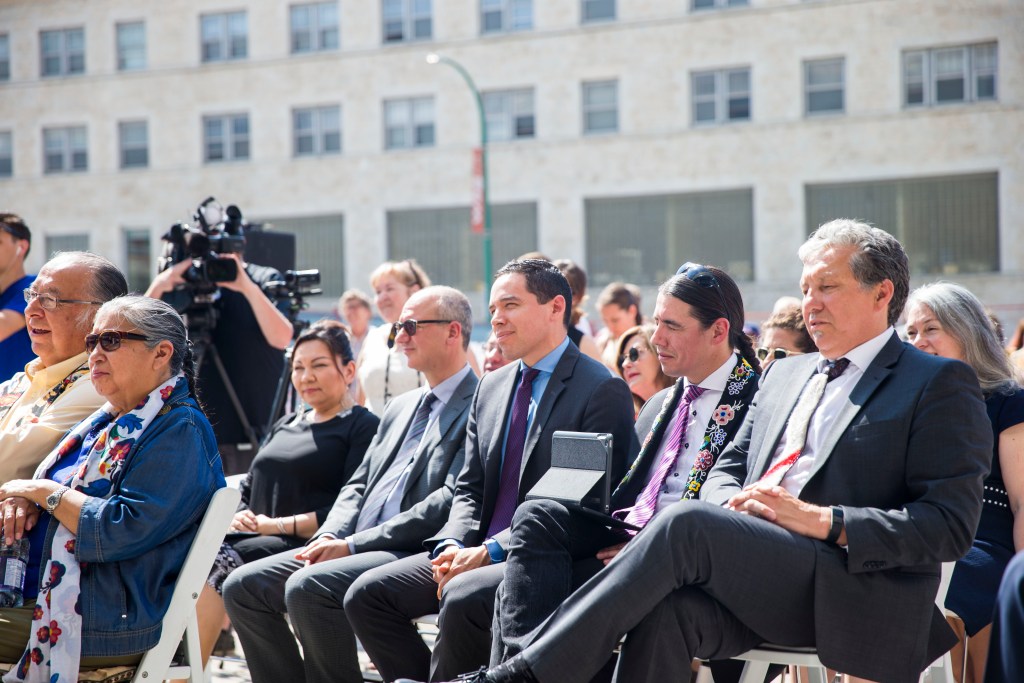
During the early planning for Qaumajuq, Canada’s Inuit art centre, I found myself in more circles than boardrooms. I sat with Elders, artists, language keepers, and youth from across Inuit Nunangat. Conversations began not with proposals, but with stories. With land acknowledgments that were more than ceremonial. With questions that had no quick answers. It was in these circles that the deepest work happened.
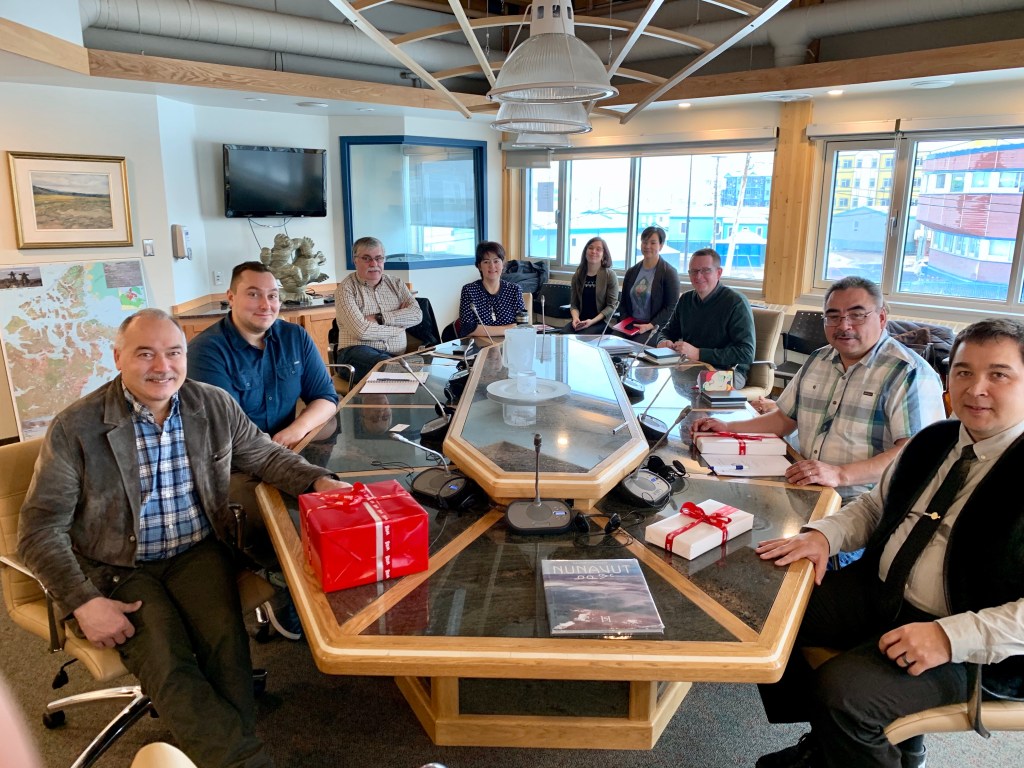
The most memorable experiences were my visits to the Arctic, where I would often join artists and community leaders in discussions about the vision for Qaumajuq. The room was quiet. No one rushed to speak. And when someone did, we listened—not just to their words, but to their silences, their gestures, the space they left for others. This was not a meeting to get through. It was a process to honour.
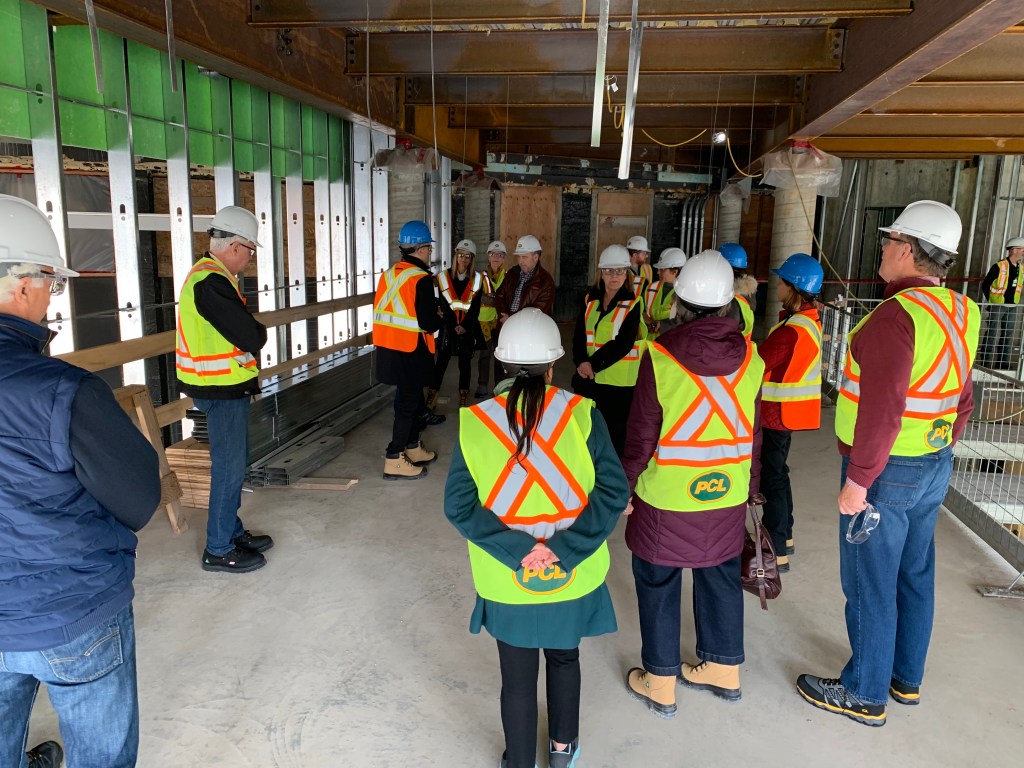
The circle model informed everything: from the architectural design of the new building, to the gifting of its name, to the governance structure and curatorial leadership. When we established the Sacred Naming Circle, it was not a symbolic gesture. It was a radical act of co-creation. The name Qaumajuq did not emerge from a branding exercise. It emerged from a collective memory, a cultural heartbeat, a shared understanding.
Even the layout of the centre reflects this philosophy. The visible vault, the open gathering spaces, expansive exhibition galleries, the classrooms and studio areas, and gardens—they invite transparency, participation, and exchange. They remind us that art does not exist in isolation. It is created, shared, and experienced in community.
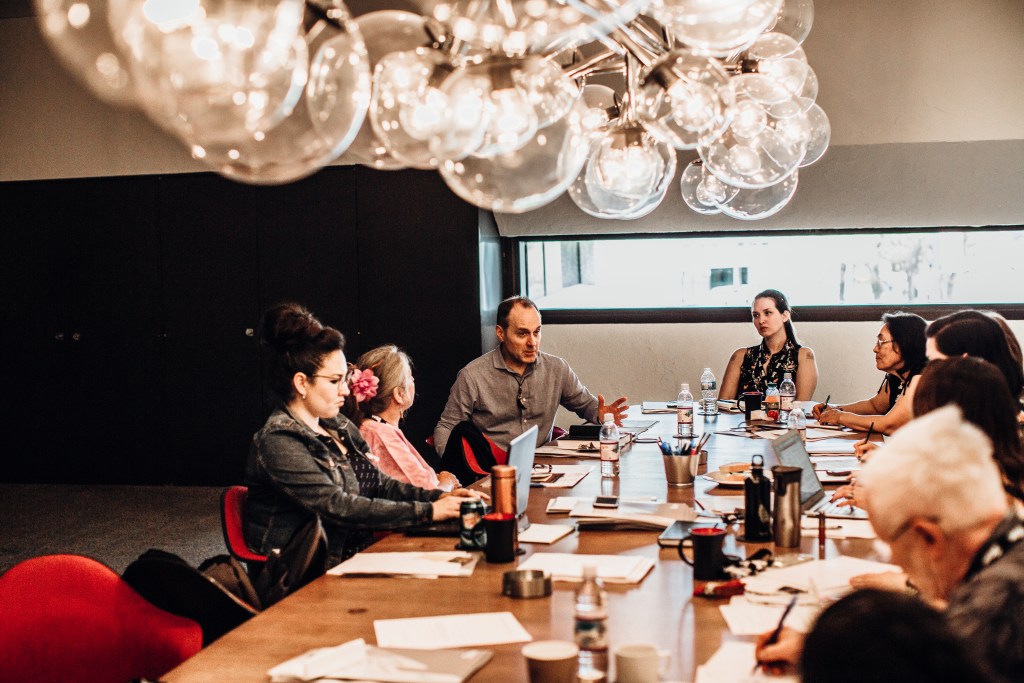
I have found the same principle holds true in my teaching—whether in the history or business departments at the University of Winnipeg and the University of Manitoba. In these classrooms, I would often remove the traditional front of the room to encourage conversation, challenges hierarchy, and ensure that learning flows in all directions. In these creative spaces in Winnipeg, Sarasota, and at Oberlin College, the circle was essential for bringing together students from diverse cultural and academic backgrounds. We engaged in open, critical dialogue about the politics of collecting, exhibition design, and community engagement—always with the understanding that each voice carried equal weight.
In small seminar settings, students not only learned from me, but from one another’s research, life experiences, and personal commitments to social change. The physical and philosophical shape of the circle created an atmosphere of trust, where students felt empowered to take risks in their thinking and share ideas they might not have voiced in a more hierarchical setting.
Across all these teaching environments, the lessons I learned in the North hold true: the most transformative learning happens when people feel seen, heard, and respected. The circle invites vulnerability alongside scholarship, and it allows complex conversations to unfold at a pace that honours depth over speed.
Adopting the circle as a leadership model doesn’t mean abandoning structure. It means infusing our structures with values that prioritize humanity over hierarchy. It means making room for slowness, for reflection, for consensus. It means understanding that sometimes, the most powerful leadership move is not to speak first, but to create space for others to speak.
At Civic Muse, this model continues to guide our work with museums, universities, and community partners. Whether shaping governance frameworks, designing public programs, or supporting major cultural initiatives, the circle reminds us to lead with empathy, equity, and shared purpose.
In many ways, the circle has become my internal compass. It has taught me to lead not just with my head, but with my heart. To see leadership not as a performance, but as a relationship. And to recognize that true transformation—in institutions, in communities, in ourselves—often begins with the simple, radical act of sitting in a circle and listening.
As we imagine the future of museums, cultural spaces, and educational institutions, I believe the circle will continue to guide us. Not because it is trendy, but because it is timeless. Not because it is easy, but because it is necessary. The power of the circle lies in its ability to hold us all—equally, courageously, and completely. –Stephen